What Manufacturers Should Check Before Specifying Antimicrobial Plastics
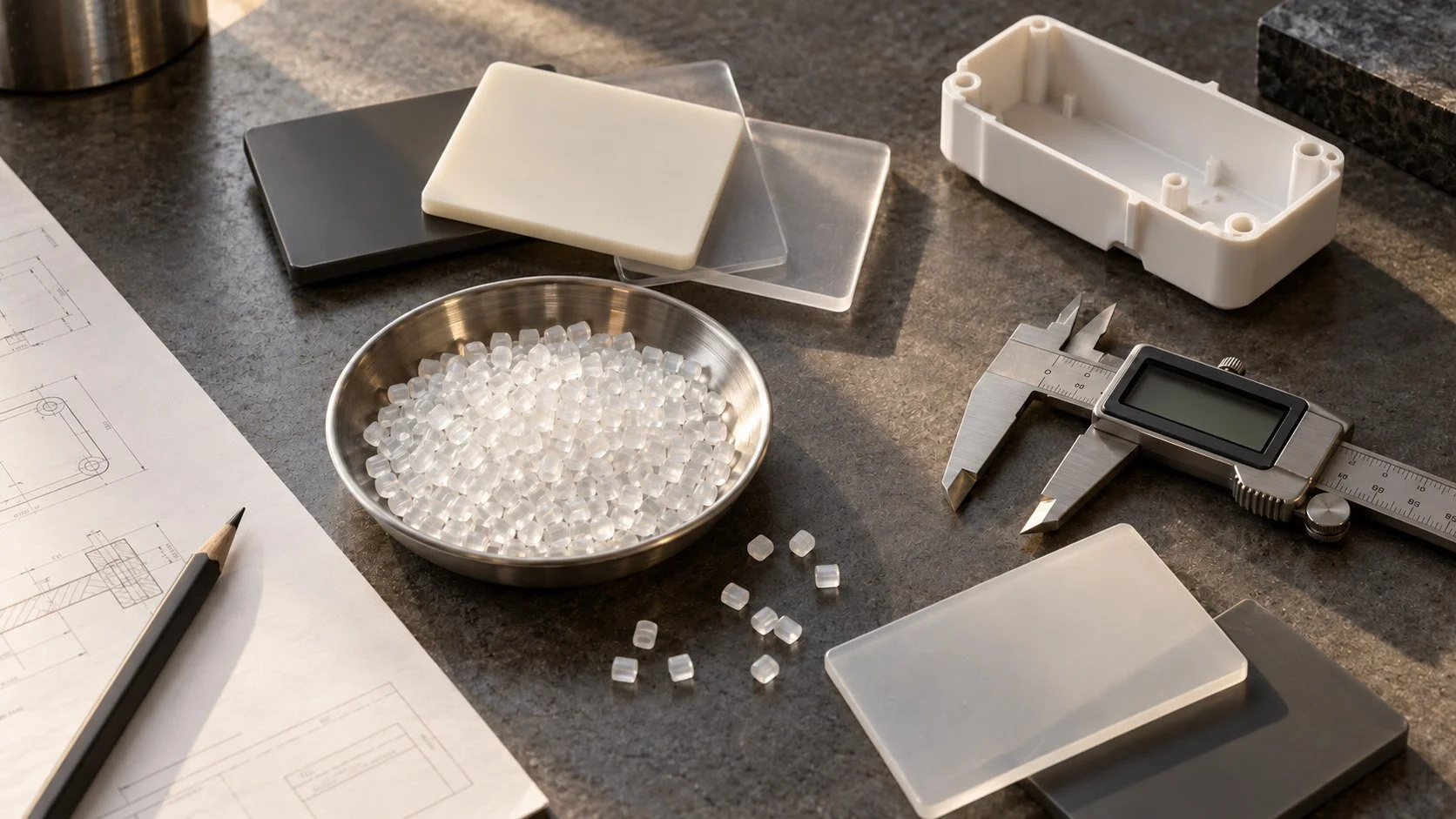
Selecting a plastic material means balancing several requirements at once. A component may need to retain its colour, withstand repeated cleaning, meet tight dimensional tolerances and remain economical to manufacture. Adding antimicrobial functionality introduces another performance requirement into that specification.
For product designers, engineers and procurement teams, the challenge is deciding what evidence is needed to make a sound choice. An additive description or headline laboratory result can help begin that assessment, but a purchasing decision needs a clear connection between the proposed treatment and the product that will actually be manufactured.
The most useful starting point is a set of questions about purpose, material, processing and evidence. Answering them early helps a development team identify promising options and recognise where further work is required.
Define the Purpose of the Treated Surface
Before discussing additive grades or addition rates, establish why antimicrobial functionality is relevant to the product.
Which component will be treated? Which surface will be exposed during use? What specific performance does the manufacturer want to demonstrate?
These questions should lead to a practical brief. A broad instruction to “make the product antimicrobial” leaves too much open to interpretation. A more useful brief identifies the component, its operating environment, the microorganisms of interest and the evidence needed to support the intended claim.
It should also explain how the feature fits alongside normal care and maintenance. Antimicrobial product protection does not make a plastic sterile or replace cleaning and appropriate handling.
A useful early exercise is to ask the design, technical and marketing teams to describe the proposed benefit in one sentence. Differences between their answers can reveal assumptions that need resolving before development begins.
Understand What Antimicrobial and Antibacterial Mean
Antibacterial plastics are intended to act against bacteria. Antimicrobial is a broader description that can encompass activity against other microorganisms, depending on the treatment and supporting evidence.
The distinction matters when writing a specification. Evidence of antibacterial activity should not be treated as evidence of activity against fungi or viruses.
Ask a prospective supplier to identify the performance supported by its available data and the further evaluation proposed for your application. This makes it easier to distinguish an established result from a development objective.
The wording used in a product brief should remain consistent with that distinction throughout the project.
Assess the Complete Formulation
A polymer name is only the beginning of a material specification.
Two components described as polypropylene may use different grades, colours, fillers and processing additives. One may contain recycled material, while the other uses virgin resin. Their appearance requirements and manufacturing conditions may also differ.
For a supplier assessment, prepare a material record that brings these details together. Where the formulation is confidential, agree how the necessary information can be shared.
It is also worth identifying which elements of the specification are fixed and which remain open to change. For example, a team may be able to adjust the additive format but have no flexibility over colour, resin supplier or processing equipment.
This helps make supplier discussions more productive. Recommendations can be assessed against the actual boundaries of the project.
For recycled-content products, include the proposed feedstock specification and any permitted variation. Treat unknown composition or changing supply sources as questions to investigate during development.
Ask What the Test Result Actually Demonstrates
A test report is most useful when the team understands precisely what was tested.
ISO 22196 provides a method for evaluating antibacterial activity on treated plastics and other non-porous surfaces. Its scope does not cover secondary effects such as preventing odour or biodeterioration, and it does not establish biodegradability. These are separate questions requiring appropriate evidence.
When reviewing a report, check the sample identification, material description, test method, organisms, exposure period and comparison used. Ask whether the tested sample represents your proposed formulation and exposed surface.
The next step is to connect each proposed product claim with the evidence available to support it.
Antibacterial activity on the treated surface should be supported by relevant laboratory testing. Confirm that the material tested represents the formulation and surface you intend to manufacture.
Performance after repeated cleaning requires evidence reflecting an agreed cleaning and testing programme. If only new, uncleaned samples have been evaluated, discuss what further assessment would be appropriate for the product’s expected use.
Resistance to microbial deterioration needs an assessment suited to that particular outcome. An antibacterial activity result alone does not demonstrate that a material will resist deterioration or retain its physical properties for longer.
Performance across different product variants requires consideration of the range being offered. Identify whether changes in formulation, colour or surface finish are represented by the available evidence, and which variants may need additional evaluation.
Recording these connections helps prevent one favourable result from becoming the basis for several different claims. It also gives the development team a clear list of questions to resolve before approving the product specification and marketing wording.
Make the Production Trial Answer a Decision
A production trial should have a defined outcome: enough information to decide whether to progress, adjust the formulation or investigate a specific issue.
Before starting, agree what would constitute an acceptable result. Include the product’s existing requirements, such as appearance, dimensions, mechanical performance and processing consistency.
Assign responsibility for recording the formulation and trial conditions. Identify who will retain samples, arrange testing and review the results.
Consider the entire manufacturing route. A trial component may undergo printing, coating, assembly or another finishing operation before it reaches the customer. Decide which version of the material needs evaluation so that the evidence relates to the surface ultimately supplied.
Commercial questions belong in this review too. Ask about dosing equipment, material handling, supply arrangements and any additional inspection or documentation needed for routine production.
A technically promising formulation still needs to fit the manufacturing operation.
Plan How Changes Will Be Managed
A successful development trial establishes a starting point for production. It should also establish a process for reviewing subsequent changes.
Consider who needs to be informed if the resin grade changes, recycled content increases, a new pigment is introduced or manufacturing moves to another site.
The appropriate response will depend on the change. Some may be addressed through a documented technical review; others may justify further trials or testing.
Agreeing this process early helps procurement, manufacturing and quality teams understand their responsibilities. It also reduces the risk of referring to an earlier report without checking whether it still represents the current product.
Keep the approved formulation, relevant reports and agreed product wording connected through clear version control.
Evaluate the Support Behind the Additive
Supplier assessment should include the practical support available throughout development.
Ask who will review the application, how trial recommendations will be documented and what assistance is available when results require interpretation. Establish how technical questions will be handled after commercial production begins.
For a supplier-specific example of this development approach, Addmaster’s guidance on antimicrobial plastics explains the material information manufacturers should provide, available incorporation methods and considerations for evaluating the finished product.
When comparing proposals, use the same project brief and evaluation questions. This gives the team a clearer basis for comparing technical suitability, development effort and ongoing support alongside price.
A Checklist for Your Next Specification Review
Before approving an antimicrobial plastic development project, check that the team can answer the following:
Have we identified the component, treated surface and intended function?
Have we distinguished antibacterial performance from any broader antimicrobial claims?
Is the proposed material formulation sufficiently defined?
Do we understand which existing results are relevant to our product?
Have we agreed trial acceptance criteria and responsibilities?
Does the evaluation cover the finished surface supplied to the customer?
Is there a process for reviewing formulation or manufacturing changes?
Can we explain the proposed product benefit using the evidence available?
Any unanswered question can become a specific action in the development plan.
A well-prepared specification gives everyone involved a shared basis for making decisions. It helps the supplier recommend an appropriate approach, gives manufacturing a clear trial brief and provides marketing with a defensible description of the finished product.