Why Antimicrobial Plastics Are Becoming a Foundation of Modern Design
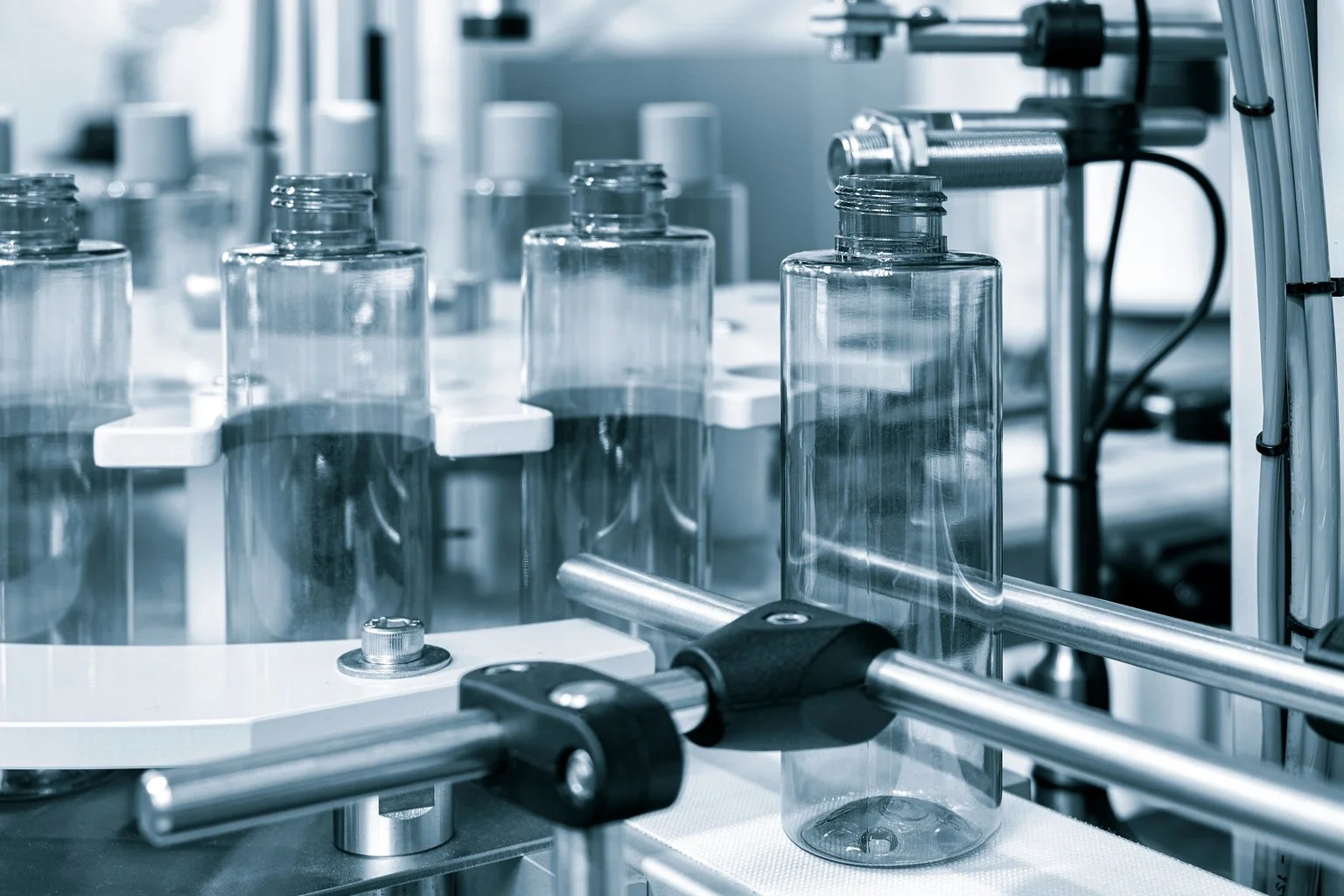
Plastics have long been celebrated for their versatility, lightness, and ability to be shaped into almost any form. For decades, this adaptability has defined their value and they were materials that could be engineered to be strong, transparent, flexible, rigid, heat-resistant, or lightweight depending on the need. Yet the criteria for what makes a “good” material are evolving. Today, expectations extend beyond mechanical performance. Cleanliness, sensory stability, surface resilience, and environmental responsibility are increasingly part of the design brief.
In this shift, antimicrobial plastics are gaining renewed relevance, not as a niche feature, but as a reflection of a much broader transformation in materials thinking. These technologies reveal something profound about where the field is heading: towards plastics that do not simply endure the environments around them but actively respond to them.
This is not merely a technical adaptation. It is a philosophical one. The materials of the future are expected to be partners in managing hygiene, aesthetics, and longevity continuously and without demanding additional user behaviour.
A Changing Context for Material Expectations
Public expectations around cleanliness have permanently changed. High-touch surfaces, shared devices, communal environments, and consumer products are scrutinised more closely. The visual and tactile cues associated with cleanliness have become intertwined with perceptions of safety, professionalism, and care.
At the same time, sustainability pressures are reshaping decision-making. Manufacturers are seeking ways to extend product lifespan, reduce premature disposal, and ensure materials maintain their value for longer. Plastics are no exception. They now operate in an environment where durability is no longer judged solely in physical terms, but also in aesthetic and biological terms.
The convergence of these two pressures is driving interest in antimicrobial plastics, which slow the growth of microorganisms responsible for odour, staining, and surface deterioration. This enhances the quality and lifespan of plastic products in a way that is visible, measurable, and relevant to users.
In other words, antimicrobial technologies are emerging not because the world suddenly discovered microbes, but because material longevity, hygiene, and user perception have become deeply connected.
The New Role of Antimicrobial Technology in Material Strategy
Historically, antimicrobial additives were viewed through a narrow lens: a functional inclusion used primarily in healthcare, food-contact items, and environments where hygiene was mission-critical. But a new design philosophy is emerging where cleaner materials are seen as essential to user experience, trust, and lifecycle performance.
This shift has broadened antimicrobial plastics into new categories:
Shared consumer electronics and wearables
High-traffic transport interiors
Packaging designed for prolonged freshness and visual consistency
Gym equipment, office touchpoints, and hospitality surfaces
Building products that must resist staining and degradation over years of handling
Retail fixtures and point-of-sale systems
Public infrastructure exposed to fluctuating humidity, contaminants, and continuous use
Each of these categories demonstrates a different aspect of the same message: materials are increasingly valued for what they continue to be long after they leave the production line.
Antimicrobial technology supports this by addressing a common and often overlooked issue — the subtle but persistent decline of plastics caused by microbial activity.
Designing Plastics for Biological Stability
Microbes interact with plastics in ways that go beyond surface hygiene. Some species contribute to colour alteration; others encourage the accumulation of odours; others still influence tactile quality or microstructural integrity over time. Even when the impact is not visible, user experience shifts subtly as surfaces lose their original appeal.
Material degradation is a complex phenomenon involving light exposure, mechanical wear, humidity cycles, and biological contamination. Antimicrobial technologies help stabilise one of the most dynamic variables in this equation: the biological load that surfaces carry.
This does not replace cleaning; instead, it builds biological stability into the material in the way that UV stabilisers build light stability or antioxidants build thermal stability. In this sense, antimicrobial technology is part of a larger suite of “performance modifiers” that allow plastics to remain closer to their original state for longer.
The result is a material that moves more gracefully through its lifecycle — cleaner, clearer, and less prone to early visual decline.
Engineering Compatibility Across Polymer Families
One of the most defining characteristics of this field is the precision required to achieve proper integration. Plastics differ dramatically in their chemical structures, thermal behaviours, and processing requirements. Antimicrobial technology must therefore be engineered, not assumed.
Polypropylene demands an additive that disperses without influencing flow properties. Polycarbonate requires stability under high processing temperatures while maintaining optical clarity. Flexible PVC needs a balance between plasticiser interaction and additive functionality. Recycled content introduces its own variability, requiring formulations that adapt without compromising performance.
Key considerations include:
Chemical compatibility - The additive must harmonise with the polymer matrix without disrupting its functional groups or bond structure.
Thermal resilience - Processing temperatures vary widely across polymers; the antimicrobial technology must remain stable throughout extrusion, moulding, or thermoforming.
Dispersion quality - Uniform distribution prevents visible spotting, surface inconsistencies, or localised underperformance.
Surface availability - The antimicrobial component must remain accessible at the surface to influence microbial behaviour over the product’s lifespan.
This level of engineering transforms antimicrobial plastics from simple composites into finely tuned materials with predictable and enduring performance profiles.
High-Touch Challenges and the Rise of “Surface Confidence”
In transportation, hospitality, education, and public infrastructure, materials endure constant physical interaction. Surfaces are touched hundreds or thousands of times per day, often by different users with different habits. This creates a reality where the perception of cleanliness is as important as its practical foundations.
Surface confidence — the feeling that a material is clean, cared for, and trustworthy — is now a competitive edge. It influences how people interact with spaces, brands, and products. In these contexts, antimicrobial plastics offer value beyond hygiene. They help materials retain their colour, reduce the accumulation of unpleasant odours, and slow visual degradation that undermines user trust.
This is part of a broader movement: materials are increasingly being asked not just to function, but to reassure.
Longevity as a Pathway to Reduced Waste
Much of the global discussion around plastics is dominated by end-of-life strategies — recycling rates, advanced recovery technologies, and biodegradation models. But one of the most effective sustainability strategies remains the simplest: extending product lifespan.
If plastics last longer before needing replacement, fewer resources are consumed, less waste is created, and the carbon footprint associated with manufacturing and logistics is reduced.
Antimicrobial technologies contribute meaningfully to this model by reducing the biological factors that cause materials to be replaced prematurely. When the sensory qualities of a product remain stable, user acceptance remains higher, and products remain in circulation for longer. This creates a more efficient materials ecosystem and aligns with the growing emphasis on durability as a sustainability metric.
Antimicrobial plastics, therefore, play a quiet but significant role in modern circularity thinking.
The Emergence of “Active” and “Intelligent” Material Systems
Antimicrobial plastics represent just one branch of a broader trend toward materials that exhibit active behaviours. These include:
Hydrophobic or self-cleaning coatings
Biofilm-resistant composites
Moisture-adaptive textiles
Thermally responsive polymers
Odour-neutralising matrices
Sensors embedded into materials
Anti-fouling surfaces designed for marine and industrial use
The unifying idea is that materials are evolving from passive substrates to systems that manage their own conditions. Antimicrobial plastics offer an approachable entry point into this paradigm because they integrate easily into existing manufacturing infrastructure and provide a tangible, measurable benefit.
As performance expectations rise, more designers and engineers are exploring ways to create materials that adapt, resist, or self-regulate in subtle but meaningful ways.
Antimicrobial technologies reflect this momentum, showing how even small additions can change the function of a material in long-term, user-relevant ways.
Rethinking Material Success in the Decade Ahead
Success in material innovation is increasingly defined by how well a product retains the qualities that made it desirable in the first place. Strength and stability are essential, but cleanliness, visual longevity, and sensory consistency are becoming equally important.
Antimicrobial plastics sit at the intersection of these expectations. They bridge performance, perception, and lifecycle strategy. They make materials more reliable in the environments that challenge them most. And they represent a shift towards plastics that do more than meet standards — they maintain them.
As the design language of modern materials continues to evolve, antimicrobial technologies will play a key role in shaping plastics that are cleaner, more stable, and better prepared for the demands of contemporary life. The future will belong to materials that anticipate the challenges around them, quietly ensuring that surfaces remain as close as possible to the state they were designed for.
This is not simply a technological upgrade. It is a reframing of what materials can be.
Further Reading
Advanced Functional Polymers: Emerging Trends and Future Directions
https://www.sciencedirect.com/science/article/pii/S0079670023000663Antimicrobial Polymer Surfaces: State of the Art and New Directions
https://pubs.acs.org/doi/10.1021/acsapm.1c00173Biofilm-Resistant Materials: The Next Frontier in Surface Engineering
https://www.nature.com/articles/s41578-021-00355-1Designing Materials for Hygiene: A Multidisciplinary View on Clean Surfaces
https://www.sciencedirect.com/science/article/pii/S2590006422000065Smart and Adaptive Polymers for High-Performance Applications
https://www.mdpi.com/2073-4360/14/5/1001The Role of Surface Materials in Public Health: Lessons From High-Touch Environments
https://www.ncbi.nlm.nih.gov/pmc/articles/PMC8885496/Engineering Plastics for Circularity: Strategies for Longevity and Reuse
https://www.sciencedirect.com/science/article/pii/S0959652622008421Active Materials: How Surfaces Are Becoming Intelligent Systems
https://www.nature.com/articles/s41578-020-00283-4Polymer Degradation Pathways and How Additives Influence Long-Term Stability
https://www.sciencedirect.com/science/article/pii/S0141391021002397Hygiene, Perception, and User Experience: Material Choices in a Post-Pandemic World
https://www.tandfonline.com/doi/full/10.1080/17549175.2022.2068843Polymers - The Unsung Heroes of a Sustainable Future
https://www.addmaster.co.uk/blog/polymers-the-unsung-heroes-of-a-sustainable-futureEnhance Plastics with Antimicrobial Technology
https://www.biocote.com/enhance-plastics-with-antimicrobial-technology