

Antimicrobial Resistance, the Built Environment, and Why Material Design Matters
Antimicrobial resistance (AMR) is frequently described as a “silent pandemic.” Unlike acute outbreaks, it advances gradually, driven by evolutionary biology and human behaviour. Resistant infections are harder to treat, increase healthcare costs, prolong hospital stays, and elevate mortality risk.

Advancing Hygiene in Healthcare Environments
Healthcare environments present unique challenges in maintaining hygiene and inhibiting microbial contamination. High-touch surfaces, including flooring, wall panelling, and medical products, can harbour unwanted microbes. These surfaces can act as reservoirs for microbial contaminants, with studies indicating that bacterial and viral pathogens can survive on inanimate objects for extended periods, sometimes even months, if not adequately addressed.
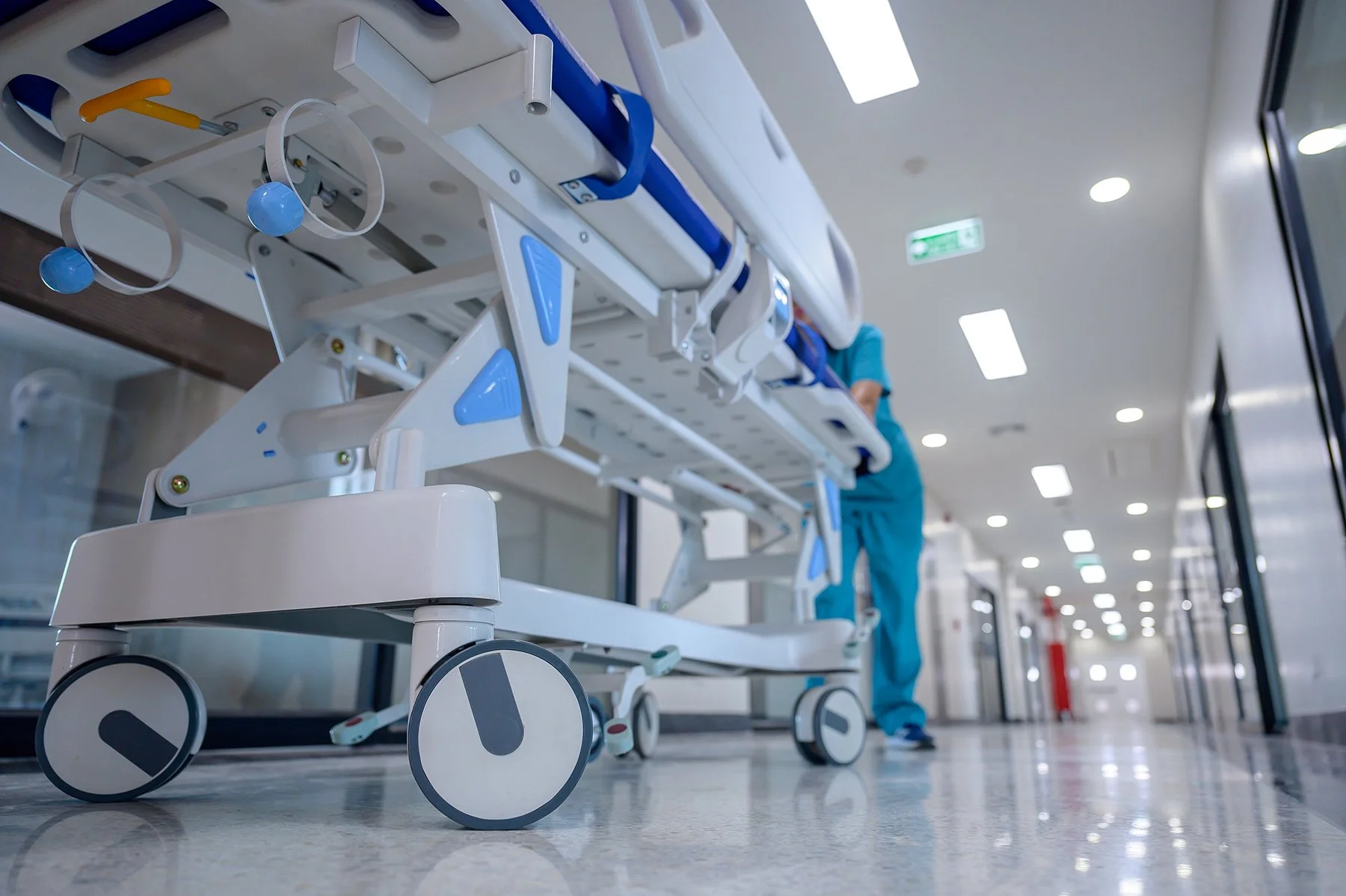
Designing for Defence: Preventing Hospital-Acquired Infections Through Smarter Infrastructure and Materials
Many healthcare environments are built with minimal input from infection prevention specialists, and as a result, design decisions inadvertently create conditions that enable microbial persistence, proliferation, and transmission. With the threat of antimicrobial resistance (AMR) accelerating globally, rethinking how we design and build healthcare spaces is no longer optional, it is essential.