
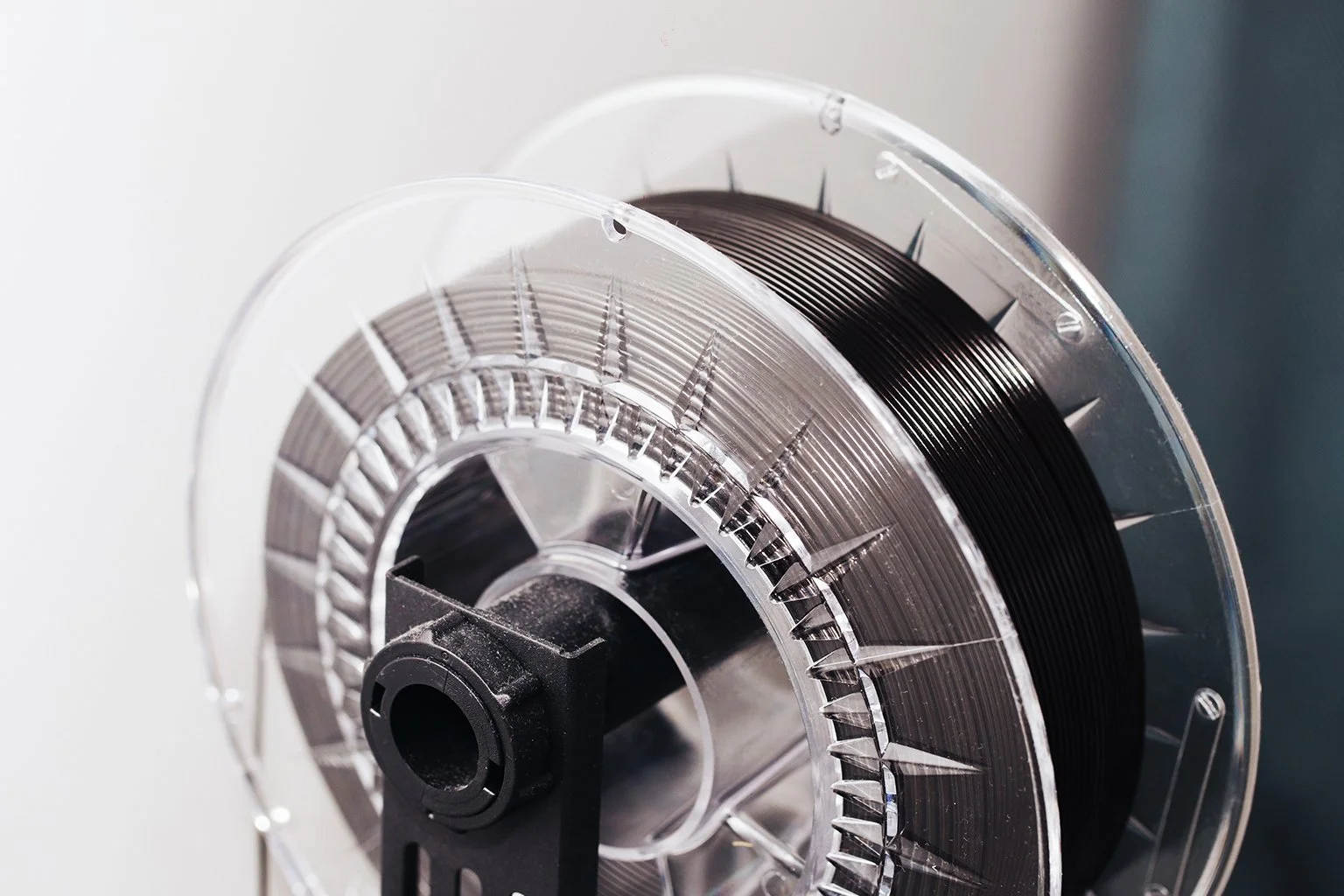
Designing Hygiene into 3D Printing Additive Manufacturing
3D printing has moved well beyond the stage where it was seen mainly as a prototyping tool. Over the past decade, additive manufacturing has steadily become part of real production workflows across industries as varied as aerospace, healthcare, engineering, education and consumer products. Components that were once designed purely as test pieces are now being printed as functional parts expected to perform reliably in real-world conditions.
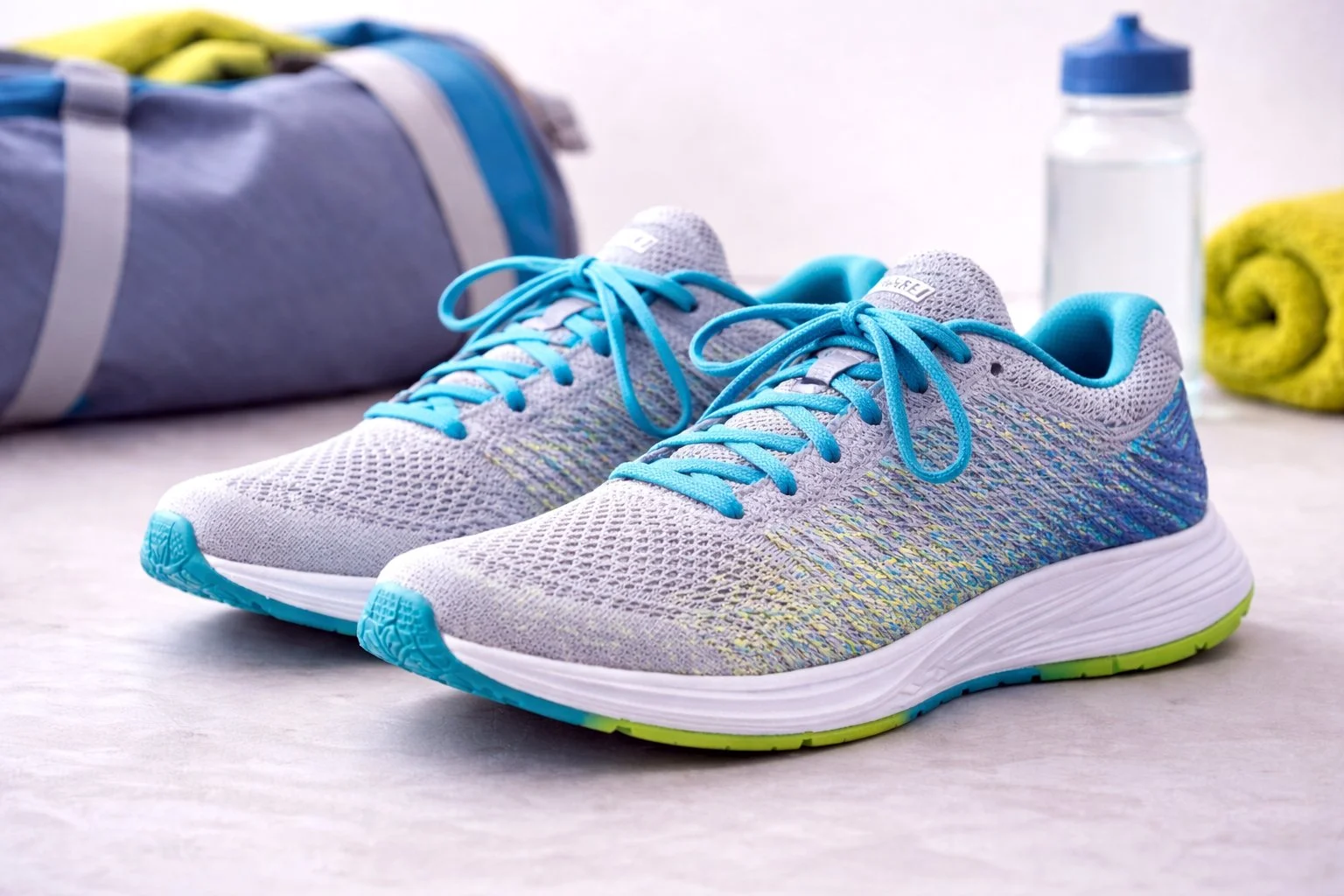
Why Materials Start to Smell Even When They Look Clean
Most people associate unpleasant smells with dirt, poor hygiene, or lack of cleaning. Yet many everyday products develop persistent odours despite being regularly washed, wiped, or disinfected. Clothing that smells as soon as it’s worn. Shoes that retain odour no matter how often they’re cleaned. Plastic products that develop a musty or sour smell over time. Car interiors, gym equipment, reusable packaging, and household items that seem “clean” but never quite smell fresh.
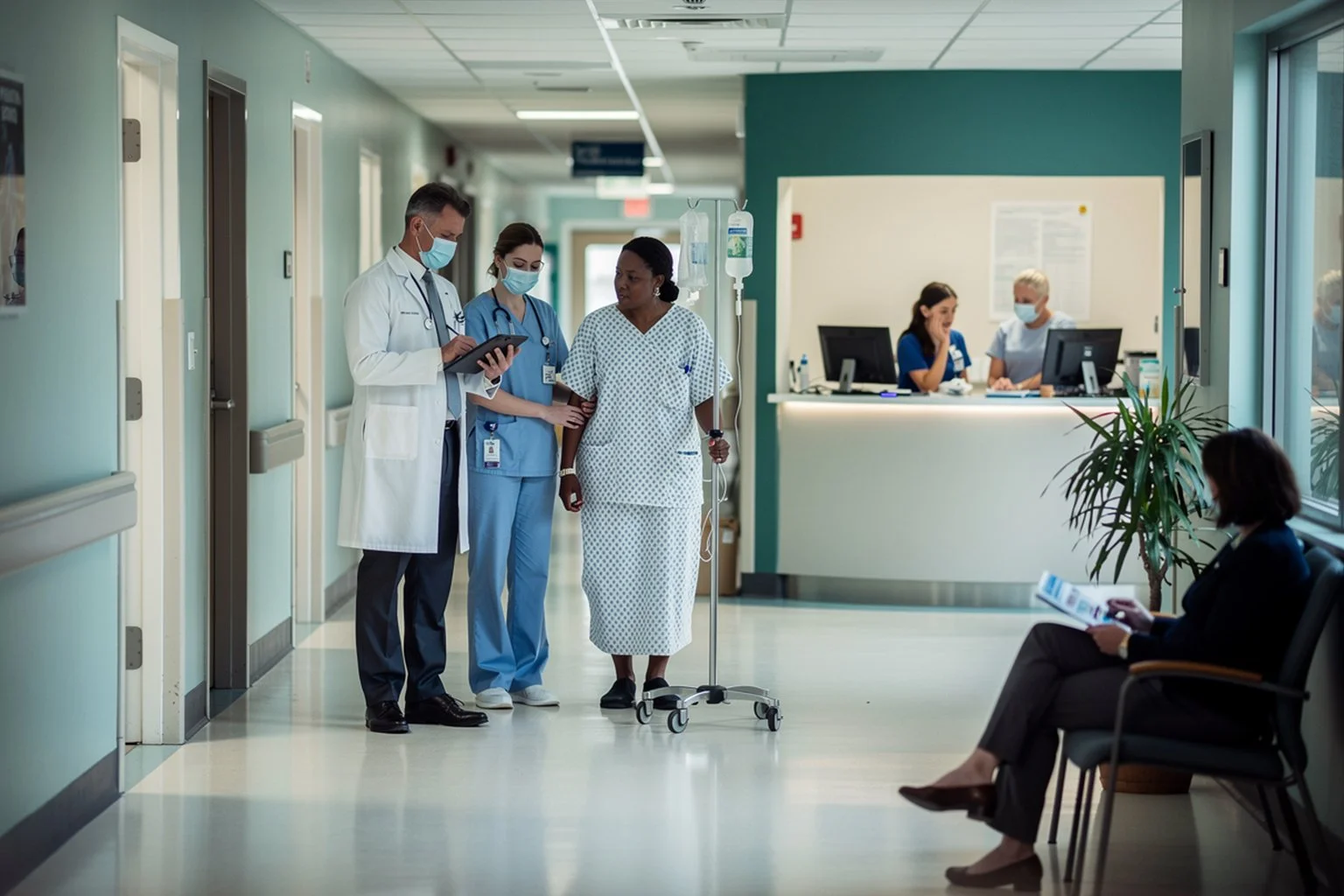
Advancing Hygiene in Healthcare Environments
Healthcare environments present unique challenges in maintaining hygiene and inhibiting microbial contamination. High-touch surfaces, including flooring, wall panelling, and medical products, can harbour unwanted microbes. These surfaces can act as reservoirs for microbial contaminants, with studies indicating that bacterial and viral pathogens can survive on inanimate objects for extended periods, sometimes even months, if not adequately addressed.
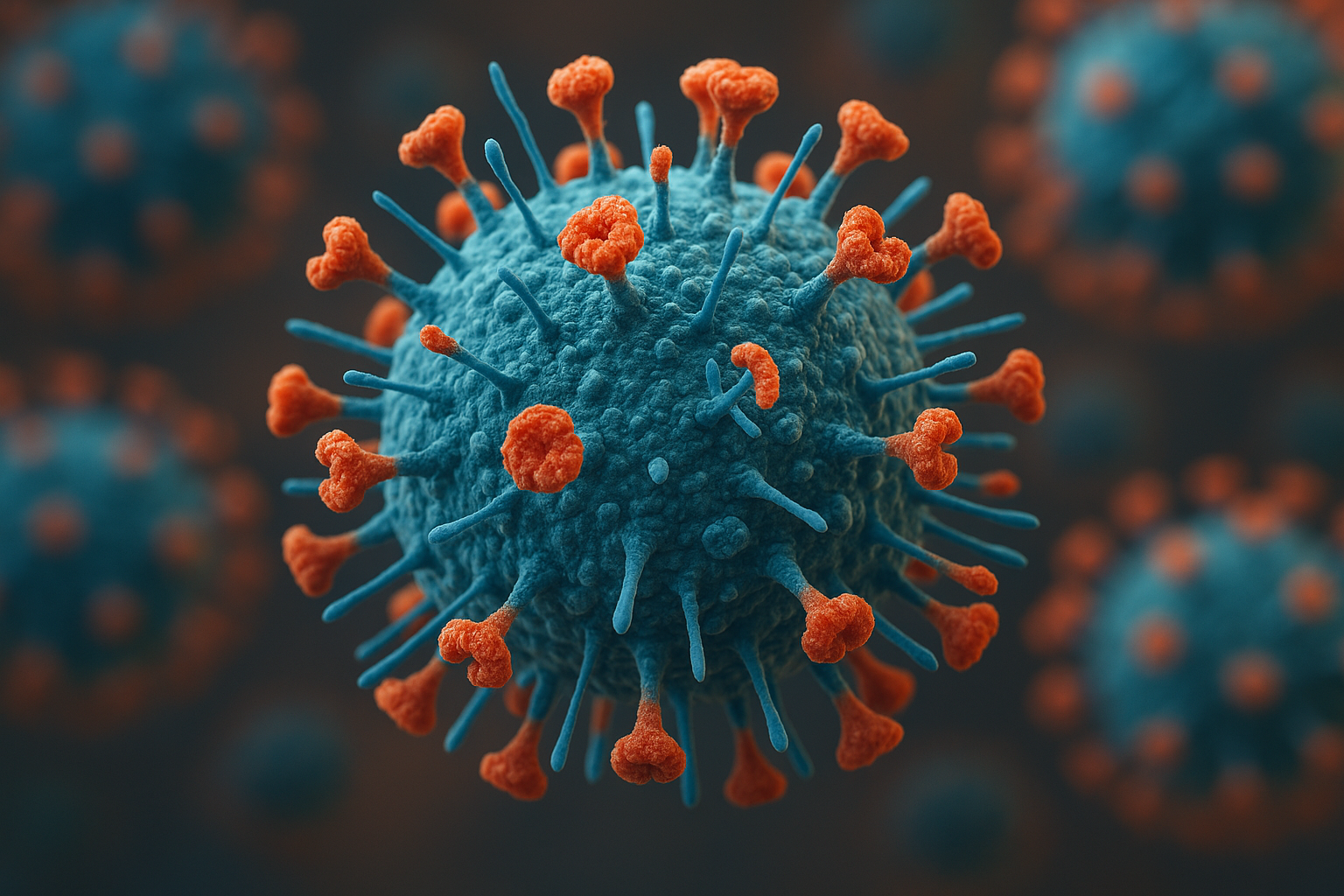
How COVID-Era Advocacy Cemented the Role of Antimicrobial Materials in Public Spaces
When the COVID-19 pandemic swept across the world in early 2020, hygiene became a societal obsession. From constant hand-sanitising to surface disinfection rituals, the invisible battle against pathogens entered every home, workplace, and public setting. Yet beneath this visible wave of cleaning and caution, a quieter revolution was unfolding

Bioinspired Materials: The Future of Antimicrobial Surfaces
Bioinspired materials are engineered surfaces and structures that mimic the natural functions found in plants, animals, and insects — often to achieve effects like self-cleaning, bacteria resistance, or reduced contamination.