Why Materials Start to Smell Even When They Look Clean
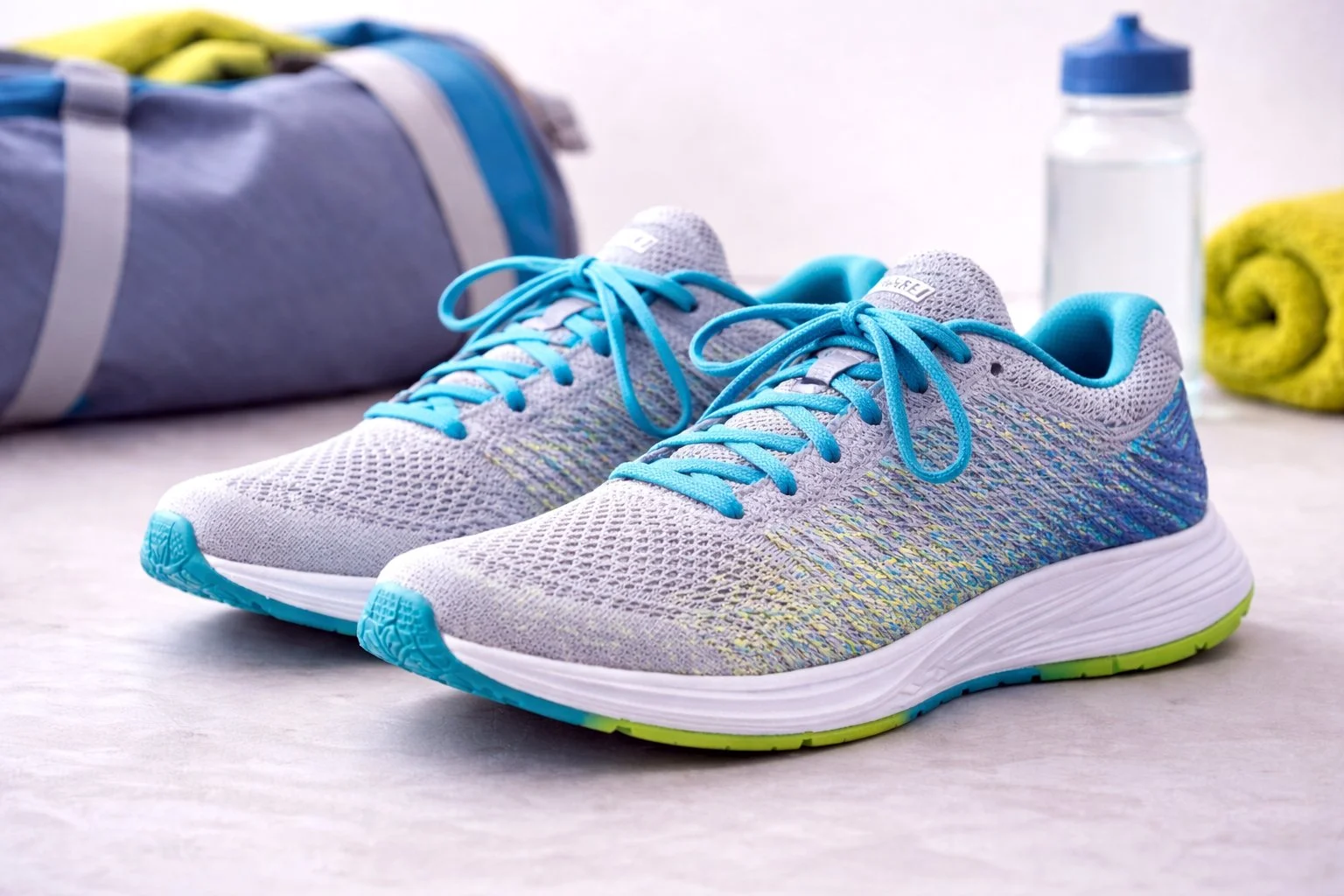
Most people associate unpleasant smells with dirt, poor hygiene, or lack of cleaning. Yet many everyday products develop persistent odours despite being regularly washed, wiped, or disinfected.
Clothing that smells as soon as it’s worn. Shoes that retain odour no matter how often they’re cleaned. Plastic products that develop a musty or sour smell over time. Car interiors, gym equipment, reusable packaging, and household items that seem “clean” but never quite smell fresh.
The reason lies not in cleanliness alone, but in material science.
Clean does not always mean odour-free
Cleaning is designed to remove visible contamination and reduce surface-level microbes. However, odour is rarely caused by dirt itself. In most cases, unpleasant smells are the result of microbial activity, specifically, bacteria metabolising organic compounds and releasing volatile by-products.
Crucially, these microbes do not only live on the surface.
Many materials provide microscopic environments where bacteria can survive, multiply, and persist even after cleaning. These hidden zones allow odour-causing activity to resume rapidly, often within hours of washing or disinfection.
The hidden role of material structure
At a microscopic level, materials are far more complex than they appear.
Even surfaces that feel smooth to the touch may contain:
micro-pores
surface roughness
internal voids
fibre junctions
free volume within polymers
These features can trap moisture, organic matter, and microbes.
Textiles, foams, plastics, elastomers, and composites all vary in how they interact with water and bacteria. Materials that retain moisture for longer periods or provide protected micro-niches are particularly vulnerable to odour development.
Once microbes become established within these micro-environments, they are difficult to remove through conventional cleaning alone.
Why some materials smell faster than others
Not all materials behave the same way when it comes to odour.
Natural fibres such as cotton or wool absorb moisture readily, creating conditions that support bacterial growth. Some synthetic fibres, while less absorbent overall, can trap oils and organic residues that bacteria feed on.
Plastics and polymers may not absorb water in the traditional sense, but their surface chemistry and internal structure can still support microbial colonisation, particularly in warm, humid, or high-contact environments.
Materials that are frequently touched, flexed, or exposed to sweat, humidity, or organic matter are especially prone to developing persistent smells.
Biofilms: the odour problem you can’t see
One of the most important, and least understood, contributors to material odour is biofilm formation.
A biofilm is a structured community of microorganisms that attach to a surface and produce a protective matrix around themselves. Once established, biofilms:
resist cleaning and disinfectants
recover quickly after surface treatments
continuously produce metabolic by-products
protect bacteria from environmental stress
This means that even when a surface appears clean, microbial activity, and odour generation, can continue beneath the surface or within the material itself.
Why cleaning alone is not a long-term solution
Cleaning and disinfecting are essential for hygiene, but they are reactive measures. They address contamination after it occurs.
In many cases, repeated cleaning can even accelerate material degradation. Abrasion, chemical exposure, and moisture cycling can increase surface roughness and porosity over time, making materials more susceptible to microbial colonisation, and odour, in the long run.
This explains why some products seem to get worse with age, despite being cleaned more frequently.
Designing materials to resist odour from within
An alternative approach focuses on prevention rather than removal.
Instead of relying solely on surface cleaning, materials can be engineered to resist microbial growth throughout their lifespan. This can involve:
modifying surface chemistry
controlling moisture interaction
incorporating functional additives during manufacture
designing materials that inhibit microbial metabolism
When odour-causing bacteria are unable to thrive within a material, smells are less likely to develop in the first place.
This shift from reactive cleaning to built-in material performance is increasingly relevant across industries ranging from textiles and consumer goods to automotive interiors, healthcare products, and packaging.
Implications for product performance and sustainability
Odour is more than a comfort issue. It directly affects:
product lifespan
user perception and trust
replacement rates
washing and cleaning frequency
water, energy, and chemical use
Materials that resist odour for longer can remain in use for extended periods, reducing the need for frequent replacement and intensive maintenance. From a sustainability perspective, this has significant implications for resource use and environmental impact.
A materials-first perspective on odour control
Understanding why materials smell, even when they look clean, highlights an important reality - hygiene and freshness are not determined by cleaning alone.
Material choice, design, and internal structure play a critical role in how products age, perform, and are experienced by users over time.
For manufacturers, designers, and engineers, addressing odour at the material level offers a more durable and effective solution than relying solely on surface-level interventions.
Further Reading
Why do some clothes get smellier than others?
https://www.technologynetworks.com/applied-sciences/news/why-do-some-clothes-get-smellier-than-others-388515Why clothes smelling after washing is a common problem
https://active-scent.com/clothes-smelling-after-washing/Why do clothes smell like BO after washing — and how to fix it
https://www.regn.co.uk/blogs/news/why-do-my-clothes-still-smell-of-bo-after-washingYour clothes are clean — so why do they still smell bad?
https://shopping.yahoo.com/home-garden/cleaning/articles/clothes-clean-why-still-smell-180000922.htmlWhy your laundry smells musty even after washing
https://www.techguardrepair.co.uk/why-your-laundry-smells-musty-even-after-washing-the-hidden-cause/Do certain fabrics make body odor worse?
https://health.howstuffworks.com/skin-care/underarm-care/problems/fabrics-body-odor-worse.htmHow fabrics interact with and retain odours
https://phys.org/news/2017-09-wicked-comesthe-science-fabrics-odors.htmlExplainer: the chemistry of “permastink” and how to prevent it
https://www.chemistryworld.com/news/explainer-the-chemistry-of-permastink-and-how-to-prevent-it/4021890.article