
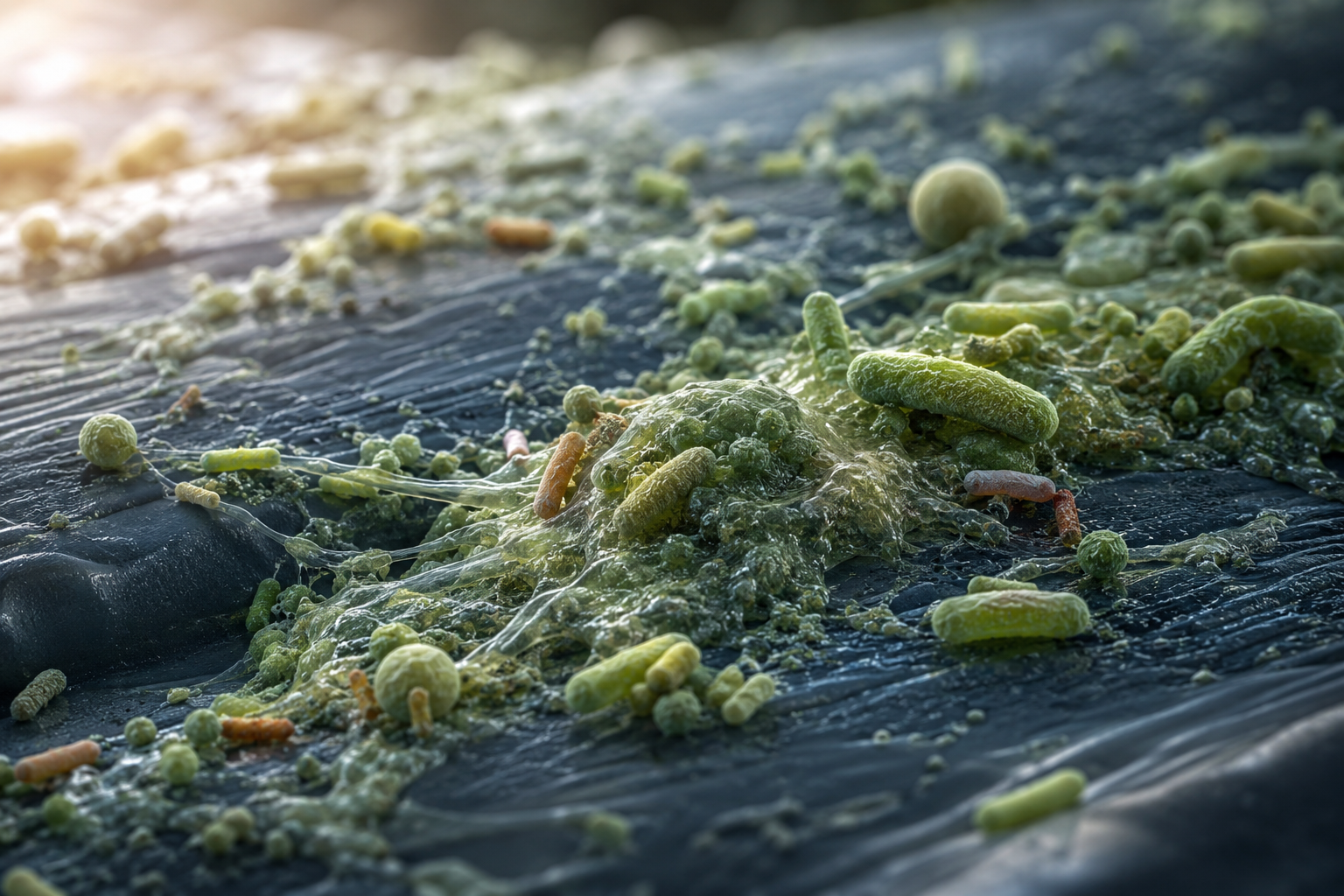
Why We Need to Rethink Material Durability in a Microbial World
When engineers and material scientists discuss durability, the conversation typically focuses on a familiar set of challenges. Mechanical wear, chemical exposure, ultraviolet radiation, temperature fluctuations, corrosion, and fatigue have long been recognised as the primary forces that determine how materials perform over time. These degradation mechanisms are well understood, supported by decades of research, and embedded within the testing standards that guide material selection across countless industries.

How Geopolitics Is Reshaping the Global Materials Landscape
When geopolitical tensions rise, the most visible signals tend to appear in energy markets. Oil prices fluctuate, shipping routes come under pressure, and attention focuses on supply security. But the effects rarely stop at energy. They extend much further downstream, into the materials that underpin modern manufacturing such as plastics, coatings, fibres, metals and composites, often with consequences that unfold over longer time horizons.
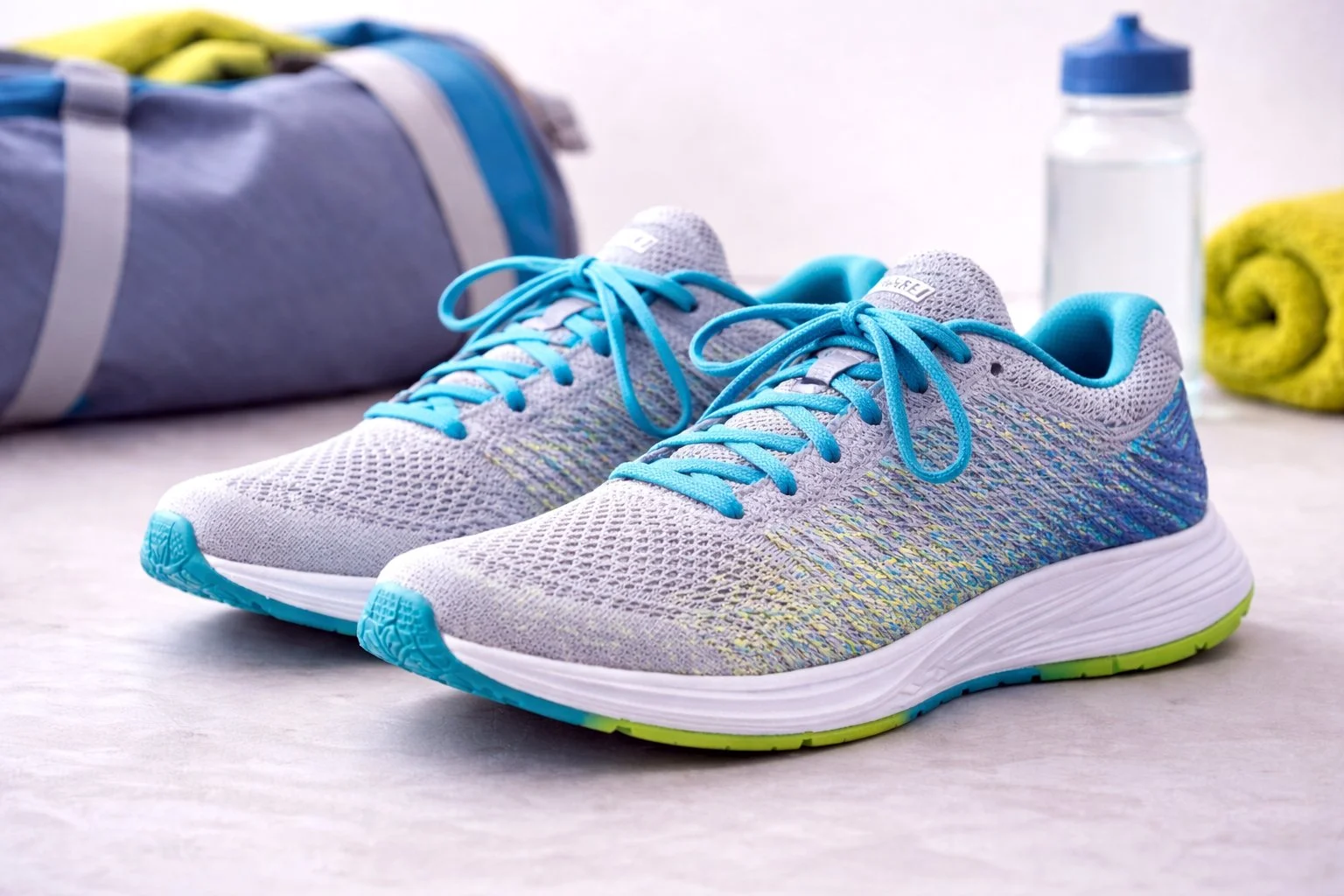
Why Materials Start to Smell Even When They Look Clean
Most people associate unpleasant smells with dirt, poor hygiene, or lack of cleaning. Yet many everyday products develop persistent odours despite being regularly washed, wiped, or disinfected. Clothing that smells as soon as it’s worn. Shoes that retain odour no matter how often they’re cleaned. Plastic products that develop a musty or sour smell over time. Car interiors, gym equipment, reusable packaging, and household items that seem “clean” but never quite smell fresh.

Advancing Hygiene in Healthcare Environments
Healthcare environments present unique challenges in maintaining hygiene and inhibiting microbial contamination. High-touch surfaces, including flooring, wall panelling, and medical products, can harbour unwanted microbes. These surfaces can act as reservoirs for microbial contaminants, with studies indicating that bacterial and viral pathogens can survive on inanimate objects for extended periods, sometimes even months, if not adequately addressed.

Integration Over Invention and The Next Material Revolution
For decades, material innovation has been defined by the pursuit of the “next big breakthrough”, the elusive substance that would rewrite the rules of performance, sustainability, and design. The twentieth century gave us steel that built cities, plastics that reshaped consumer culture, and composites that transformed aviation.