Microbial Control in Space Exploration
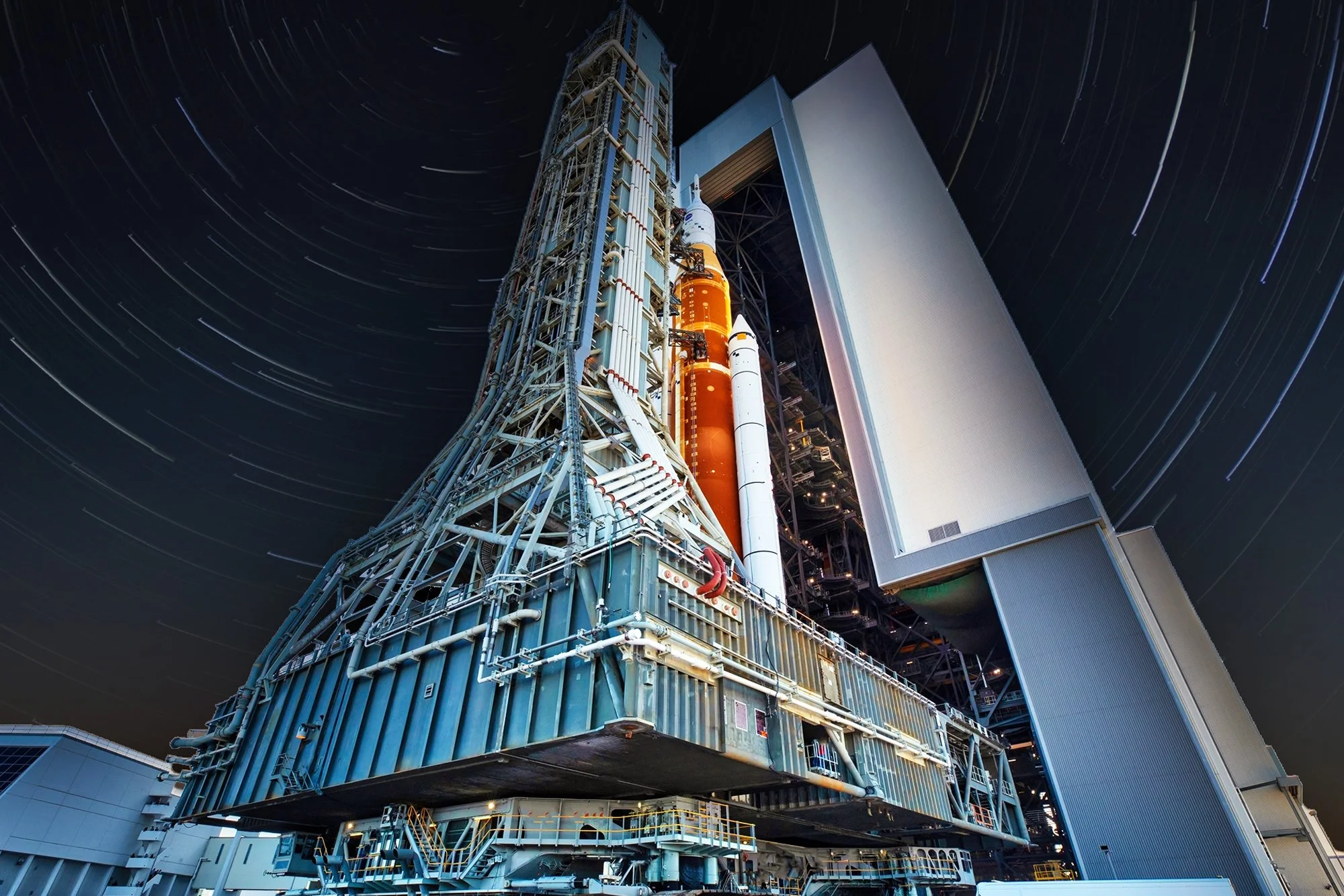
As humanity prepares to return to deep space through missions like Artemis II, much of the attention is understandably focused on the visible engineering achievements, next-generation propulsion systems, advanced navigation capabilities, and the complex architecture required to safely transport humans beyond Earth’s orbit.
These are the technologies that capture headlines. They represent the cutting edge of aerospace innovation and define the ambition of modern space exploration.
However, beneath these highly engineered systems lies a more subtle, yet equally critical challenge, one that operates at a microscopic level and has accompanied humans into every environment we have ever occupied.
Microorganisms.
Unlike mechanical systems, which can be isolated, controlled, and tested extensively before launch, microbial presence is inherently dynamic and difficult to eliminate entirely. Astronauts themselves are carriers of complex microbiomes, continuously shedding bacteria and other microorganisms into their surroundings. Equipment, materials, and cargo also introduce additional microbial populations, despite stringent pre-launch cleaning and sterilisation protocols.
Once inside a spacecraft, these microorganisms do not remain passive. In the enclosed, highly controlled environment of a crewed vehicle, they begin to interact with surfaces, materials, and systems in ways that can evolve over time.
Spacecraft are, by necessity, closed-loop environments. Air is recirculated, water is reclaimed and reused, and surfaces are repeatedly contacted by crew members performing daily tasks. This creates a unique ecological system where microbes can accumulate, adapt, and establish persistent communities, particularly on high-touch surfaces and within critical systems such as air handling and water recovery infrastructure.
In this context, microbial contamination extends far beyond traditional definitions of cleanliness or hygiene.
It becomes a materials issue, where microbial activity can influence the physical and chemical stability of polymers, coatings, and metals. It becomes a system performance issue, where biofilm formation can impair filtration, fluid flow, and sensor accuracy. And in more advanced scenarios, it becomes a reliability issue, where the long-term integrity of mission-critical components may be affected by sustained microbial interaction.
In short, within the environment of a spacecraft, microorganisms are not just present, they are active participants in the system.
Understanding and managing this interaction is therefore not simply a matter of cleanliness, but a fundamental aspect of designing materials and systems capable of supporting human life in deep space.
Microbes in Space Are Not Passive
Spacecraft are often perceived as highly controlled, near-sterile environments. In reality, complete sterility is neither achievable nor sustainable. Despite rigorous pre-launch cleaning protocols, material sterilisation procedures, and environmental monitoring, microorganisms inevitably travel with astronauts, equipment, and cargo.
Human presence alone ensures this. Astronauts continuously shed microorganisms from their skin, respiratory tract, and clothing, introducing a dynamic and constantly evolving microbial load into the spacecraft environment. These microorganisms are then redistributed through airflow, surface contact, and system interactions, embedding themselves within the internal ecosystem of the vehicle.
Once introduced, microbial populations do not simply persist, they establish, adapt, and, in many cases, thrive.
Research conducted aboard the International Space Station has shown that microbial communities readily colonise internal surfaces, forming structured biofilms that attach to metals, polymers, and system components. A comprehensive review published in Frontiers in Microbiology highlights how these microbial populations adapt to spacecraft-specific conditions, forming resilient, surface-associated communities across a wide range of materials (Singh et al., 2020: https://www.ncbi.nlm.nih.gov/pmc/articles/PMC7409192/).
These biofilms are far from passive accumulations of cells. They are highly organised microbial ecosystems, embedded within a self-produced extracellular matrix that enhances their ability to adhere to surfaces and resist external stresses. This structure provides protection against cleaning efforts, desiccation, and environmental fluctuations, making biofilms particularly difficult to remove once established.
From a materials perspective, this is significant. The biofilm matrix facilitates prolonged and intimate contact between microorganisms and the underlying surface, enabling biochemical interactions that can influence material stability over time.
Microgravity further intensifies this challenge.
Spaceflight conditions have been shown to alter microbial behaviour in ways that are not fully replicated under terrestrial conditions. Studies indicate that certain microorganisms exhibit increased growth rates, enhanced biofilm formation, and changes in gene expression when exposed to microgravity. For example, research published in Acta Astronautica demonstrated that bacterial growth dynamics and biofilm development can be significantly altered in spaceflight environments (Kim et al., 2013: https://pmc.ncbi.nlm.nih.gov/articles/PMC3639165/).
More recent investigations continue to reinforce this trend, suggesting that microbial communities in microgravity can become more robust, more structured, and in some cases more resistant to environmental stressors than their Earth-based counterparts. These changes are thought to be driven by altered fluid dynamics, reduced shear forces, and differences in nutrient distribution within microgravity environments.
The implication is clear.
In space, microorganisms are not passive contaminants that can be managed solely through cleaning protocols. They are active, adaptive participants within the material and system environment, capable of interacting with surfaces, influencing material performance, and evolving over time in response to the unique conditions of spaceflight.
Understanding this behaviour is therefore essential. It marks a shift from viewing microbes as a surface-level hygiene concern to recognising them as a fundamental factor in the long-term reliability and performance of spacecraft materials and systems.
Biofilms and the Degradation of Materials
One of the most critical, and often underestimated, aspects of microbial activity in space is its direct interaction with materials.
In terrestrial environments, material degradation is typically considered through mechanical, thermal, or chemical lenses. In spacecraft, however, there is an additional layer of complexity: biological interaction. Microorganisms do not simply reside on surfaces; they actively engage with them, forming biofilms that create persistent, chemically active interfaces between the microbe and the material itself.
These biofilms are capable of driving a range of degradation mechanisms. They have been shown to contribute to microbiologically influenced corrosion (MIC) in metals, accelerate polymer degradation through enzymatic activity, and cause fouling in fluid handling and filtration systems. A NASA-supported study on microbial contamination aboard spacecraft highlights how biofilms can interfere with system performance, disrupt material stability, and lead to progressive degradation over time (NASA, 2021: https://ntrs.nasa.gov/api/citations/20210022442/downloads/BiofilmWhitePaper.pdf).
From a materials perspective, the key issue lies in the microenvironment created by the biofilm.
Within this matrix, microorganisms can generate localised chemical conditions that differ significantly from the surrounding environment. This includes shifts in pH, the production of organic acids, and the concentration of metabolites that can accelerate corrosion or weaken polymer structures. In metals, this can result in localised corrosion and pitting. In polymers, enzymatic activity can lead to chain scission, surface embrittlement, and gradual loss of mechanical integrity.
Over time, these effects are not just superficial. They can alter the functional performance of components, particularly in systems where surface condition is critical to operation.
On the International Space Station, biofilm formation has already been observed within water recovery systems, one of the most vital elements of life-support infrastructure. These systems rely on efficient filtration and fluid flow to recycle water for crew use. However, microbial growth within these systems can lead to fouling, clogging, and reduced operational efficiency.
Beyond water systems, similar risks extend to air handling units, condensation management systems, seals, coatings, and sensor interfaces, all of which can be affected by sustained microbial presence and biofilm development.
What makes this challenge particularly significant in space is the amplification of risk.
First, maintenance opportunities are extremely limited. Routine cleaning, inspection, or replacement, standard practices in terrestrial systems, are constrained by time, resources, and accessibility.
Second, component replacement is not feasible mid-mission. Materials and systems must be designed to function reliably for the entire duration of the mission, often under conditions that cannot be fully replicated on Earth.
Third, system failure carries disproportionately high consequences. A reduction in filtration efficiency, a compromised seal, or a degraded surface is not merely an inconvenience, it can directly impact life-support systems, operational capability, and overall mission success.
Taken together, these factors fundamentally change how materials must be designed and evaluated for space applications.
Rather than relying on reactive strategies such as cleaning or maintenance, there is a clear shift toward proactive material resilience, designing materials and surfaces that can inherently resist or mitigate microbial interaction over time.
In this context, biofilms are not just a contamination issue. They represent an active degradation pathway that must be considered as part of the material design process itself.
The Challenge of Closed-Loop Environments
Spacecraft operate as tightly controlled closed-loop ecosystems, where air, water, and waste are continuously captured, processed, and reused. Unlike terrestrial environments, where dilution and exchange with the external environment help disperse contaminants, spacecraft systems are designed to conserve resources and operate with minimal external input.
This efficiency is essential for long-duration missions, but it also creates ideal conditions for microbial accumulation and persistence.
Within these closed systems, microorganisms introduced by crew, materials, and cargo are not easily removed. Instead, they are circulated through air handling systems, deposited onto surfaces, and introduced into fluid loops, where they can establish themselves over time. The result is a dynamic microbial ecosystem that interacts continuously with both materials and critical infrastructure.
At the centre of this challenge are the Environmental Control and Life Support Systems (ECLSS), which are responsible for maintaining breathable air, potable water, and overall environmental stability within the spacecraft.
These systems are particularly vulnerable to microbial colonisation.
Water recovery systems, for example, rely on complex filtration, storage, and redistribution processes to recycle wastewater into safe, usable water. However, these same systems provide surfaces, nutrients, and moisture, all of which support microbial growth. Bacteria introduced into these systems can form biofilms along internal surfaces, leading to fouling, reduced flow efficiency, and potential degradation of system components.
Similarly, air handling systems can act as vectors for microbial distribution, transferring microorganisms between surfaces and environments within the spacecraft. Condensation points, filters, and ducting structures can become sites of microbial accumulation, particularly where moisture is present.
NASA research into spacecraft microbial ecology confirms that complete sterilisation of these environments is not achievable. Even with rigorous pre-flight cleaning and in-flight maintenance protocols, microbial populations inevitably establish themselves and evolve over time.
Crucially, these microbial communities are not random.
Studies consistently show that human-associated microorganisms dominate spacecraft environments, reflecting the direct influence of crew presence. Skin-associated bacteria, respiratory microbes, and environmental species introduced through daily activity form the core of the onboard microbiome. This reinforces a key point: microbial contamination is not an anomaly to be eliminated, but an inherent and continuous feature of human spaceflight.
From a systems perspective, this has important implications.
It means that microbial presence must be anticipated, managed, and designed for, not simply mitigated after the fact. The interaction between microorganisms and system components becomes part of the operational reality of the spacecraft, influencing performance, maintenance requirements, and long-term reliability.
The challenge, therefore, is not elimination, but control.
Control in this context extends beyond cleaning protocols. It involves designing materials, surfaces, and systems that can operate effectively in the presence of microbial activity, minimising accumulation, reducing biofilm formation, and maintaining performance over time.
In closed-loop environments, microbial management becomes a fundamental design parameter, one that sits alongside mechanical, thermal, and chemical considerations in determining how systems perform in space.
Designing Materials for Biological Stress
As missions extend beyond low Earth orbit and move toward long-duration habitation, including lunar surface operations and future Mars transit systems, the demands placed on materials are fundamentally changing.
Historically, material selection for aerospace applications has focused on resistance to mechanical stress, thermal extremes, radiation exposure, and chemical stability. These remain critical factors. However, as mission durations increase and systems become more self-contained, an additional and often underappreciated dimension is emerging.
Biological stress.
In the context of spaceflight, materials are continuously exposed to microbial presence. As previously established, microorganisms do not simply settle on surfaces; they interact with them, forming biofilms and creating localised environments that can influence material behaviour over time. This introduces a new category of degradation risk, one that operates at the interface between biology and materials science.
As a result, it is no longer sufficient for materials to meet traditional performance criteria alone. They must also be capable of maintaining their integrity and functionality in the presence of sustained microbial activity.
This is where embedded antimicrobial technologies begin to play a role, not as a surface-level hygiene enhancement, but as an integrated material protection strategy.
Unlike external cleaning or disinfection processes, which are intermittent and dependent on operational constraints, embedded technologies function continuously. By incorporating antimicrobial additives directly into polymers, coatings, and components, it becomes possible to influence the interaction between microorganisms and the material surface itself.
At a functional level, these technologies can inhibit microbial growth, reduce the formation and stability of biofilms, and limit the establishment of persistent microbial communities. This, in turn, helps to reduce the likelihood of microbially driven degradation mechanisms such as corrosion, fouling, or enzymatic breakdown.
Importantly, this approach aligns with the realities of space environments, where access for maintenance is limited and reliance on manual cleaning is neither practical nor scalable for long-duration missions.
Supporting this direction, research from Massachusetts Institute of Technology has demonstrated that engineered surface properties can significantly influence microbial attachment and biofilm development. By modifying surface chemistry, texture, and energy, it is possible to disrupt the initial stages of microbial adhesion, a critical step in biofilm formation. Their work highlights how such surface engineering strategies can reduce biofilm formation even under challenging environmental conditions (MIT News: https://meche.mit.edu/news-media/how-prevent-biofilms-space).
This reinforces an important shift in design philosophy.
Rather than treating microbial contamination as something to be removed after it occurs, there is increasing emphasis on preventing or controlling it at the material level. Surfaces are no longer passive interfaces; they are being engineered to actively influence their interaction with the surrounding biological environment.
In this context, antimicrobial technologies sit alongside other advanced material strategies, such as self-healing polymers, radiation-resistant composites, and low-outgassing materials, as part of a broader move toward more resilient, self-sustaining systems.
Ultimately, designing for biological stress is about anticipating the conditions materials will face in real operational environments and ensuring that performance is maintained over time. In space, where intervention is limited and reliability is paramount, this approach is not just beneficial, it is increasingly essential.
Relevance to Artemis II and Beyond
The significance of microbial interaction with materials becomes even more pronounced when viewed in the context of Artemis II and the broader Artemis programme.
Artemis II marks a critical transition point in human space exploration. Unlike missions confined to low Earth orbit, it represents a move toward sustained operations in deep space, where distances are greater, mission durations are longer, and the ability to intervene, repair, or resupply is significantly reduced.
This shift fundamentally changes the expectations placed on materials and systems.
In low Earth orbit, platforms such as the International Space Station benefit from relatively frequent resupply missions, ongoing maintenance capabilities, and the ability to return components or crews to Earth if required. In contrast, deep space missions operate with far greater autonomy. Systems must function reliably for extended periods with limited external support and minimal opportunity for intervention.
Within this context, reliability is no longer defined solely by mechanical robustness or redundancy in engineering systems. It becomes a holistic concept, encompassing how materials behave over time under combined mechanical, chemical, environmental, and biological stresses.
Every material, component, and surface within a spacecraft must therefore perform consistently over extended durations. This includes not only structural elements and critical systems, but also interior surfaces, fluid pathways, seals, coatings, and interfaces that are continuously exposed to human interaction and environmental cycling.
Even minor degradation in these areas can have cascading effects.
A reduction in filtration efficiency, the gradual fouling of a fluid system, or the deterioration of a surface coating may seem incremental, but in a closed and resource-limited environment, these changes can accumulate and impact overall system performance. Over long-duration missions, maintaining stability becomes as important as achieving initial performance.
It is within this framework that microbial control takes on a new level of importance.
Rather than being viewed as a secondary hygiene consideration, it becomes an integral part of a broader reliability strategy, one that directly supports system longevity, resource efficiency, and risk reduction. By managing microbial interaction at the material level, it becomes possible to reduce the likelihood of biofilm formation, limit degradation pathways, and maintain functional performance over time.
Looking beyond Artemis II, this approach becomes even more critical.
Future phases of the Artemis programme, including sustained lunar presence through the Gateway and surface habitats, will introduce longer habitation periods and more complex, interconnected systems. Further ahead, missions to Mars will extend these challenges even further, requiring materials and systems to operate autonomously for years rather than months.
In these scenarios, the ability of materials to resist or manage biological interaction is not simply advantageous, it becomes a key enabler of mission success.
As human spaceflight evolves, so too must the way materials are designed, specified, and evaluated. Microbial interaction is no longer a peripheral consideration. It is part of the operating environment, and increasingly, part of the solution.
The Future of Materials in Space
Looking ahead, the next generation of space habitats will demand a fundamentally new approach to material design, one that goes beyond traditional performance metrics and addresses the full complexity of the operational environment.
Future platforms, whether in lunar orbit, on the surface of the Moon, or as part of long-duration Mars missions, will require materials that are not only high-performing, but resilient across multiple and overlapping stress factors. These include mechanical loads, thermal cycling, radiation exposure, chemical interactions, and increasingly, sustained biological activity.
Unlike short-duration missions, these environments will not be transient. They will be lived in, operated continuously, and expected to function reliably over extended periods — potentially years rather than months.
At the same time, these systems will operate within tightly controlled, closed ecological loops. Air, water, and waste streams will be continuously recycled, resources will be carefully managed, and maintenance opportunities will be limited by both logistics and operational constraints.
This combination of long-duration use, resource efficiency, and limited intervention creates a very different set of requirements for materials.
Materials must not only perform under initial conditions, but maintain that performance over time, despite constant exposure to environmental and biological stressors. They must support system stability, minimise degradation pathways, and reduce the need for maintenance or replacement wherever possible.
This creates a clear opportunity, and necessity, to rethink how materials are designed.
Rather than viewing materials as passive elements within a system, there is a growing shift toward designing materials that actively contribute to system performance. This includes the development of surfaces and structures that can respond to, manage, or mitigate the conditions they are exposed to.
In this context, antimicrobial technologies take on a broader and more strategic role.
When integrated effectively, they form part of a wider class of functional materials, materials that are engineered not just for strength or durability, but for interaction with their environment. By influencing how microorganisms attach, grow, and persist on surfaces, these technologies can help to stabilise the material environment over time, reducing the impact of microbial activity on system performance.
Importantly, this is not about treating microbial control as an isolated feature.
It is about embedding it within a holistic material design philosophy, one that considers biological interaction alongside mechanical, thermal, and chemical performance. In doing so, antimicrobial technologies become part of an integrated approach to material resilience, working in parallel with other innovations such as self-healing materials, low-fouling coatings, and advanced composites.
Looking further ahead, this approach aligns with the broader trajectory of space system design.
Future habitats and vehicles are likely to incorporate increasing levels of autonomy, with systems that are capable of monitoring, adapting, and maintaining themselves with minimal human intervention. Materials that can support this autonomy, by reducing degradation, limiting contamination, and maintaining stable performance, will be critical enablers of long-term success.
In this sense, microbial control is not a peripheral consideration. It is part of the foundation of how next-generation space systems will function.
As human space exploration moves toward permanent or semi-permanent presence beyond Earth, the materials that support these environments must evolve accordingly. They must not only withstand the extremes of space, but actively contribute to the stability and sustainability of the systems they are part of.
Because in the future of space exploration, materials will not just support the mission, they will help sustain it.
Conclusion
Space exploration represents one of the most demanding engineering challenges ever undertaken. It requires systems that can operate with exceptional precision, reliability, and resilience in environments where margins for error are minimal and the consequences of failure are significant.
Much of the focus naturally falls on the visible aspects of this engineering achievement, propulsion systems, navigation technologies, and life-support infrastructure that enable human survival beyond Earth. These are the defining elements of modern space missions.
However, underpinning all of these systems is a less visible, yet equally critical layer: the materials from which they are built.
Every surface, component, and interface within a spacecraft contributes to overall system performance. Over time, these materials are exposed not only to mechanical, thermal, and chemical stresses, but also to continuous biological interaction. Within this environment, microorganisms are not isolated anomalies — they are a constant presence, interacting with materials in ways that can influence durability, functionality, and long-term reliability.
This interaction is often invisible, but its effects are not.
Microbes will always be part of human spaceflight. They travel with us, adapt to new environments, and establish themselves within the systems we depend on. The challenge, therefore, is not to eliminate them entirely, but to understand their impact and design accordingly.
As missions such as Artemis II move us closer to sustained human presence beyond low Earth orbit, this challenge becomes increasingly important. Longer mission durations, greater system autonomy, and reduced opportunities for intervention all place greater emphasis on the long-term stability of materials and the environments they support.
In this context, managing microbial interaction at the material level becomes a key aspect of system design. It supports not only cleanliness, but also material integrity, operational efficiency, and overall mission reliability.
Ultimately, the success of future space exploration will depend not only on the technologies that take us there, but on the materials that enable those technologies to endure.
Because in space, even the smallest organisms can have a measurable, and sometimes mission-critical impact.