
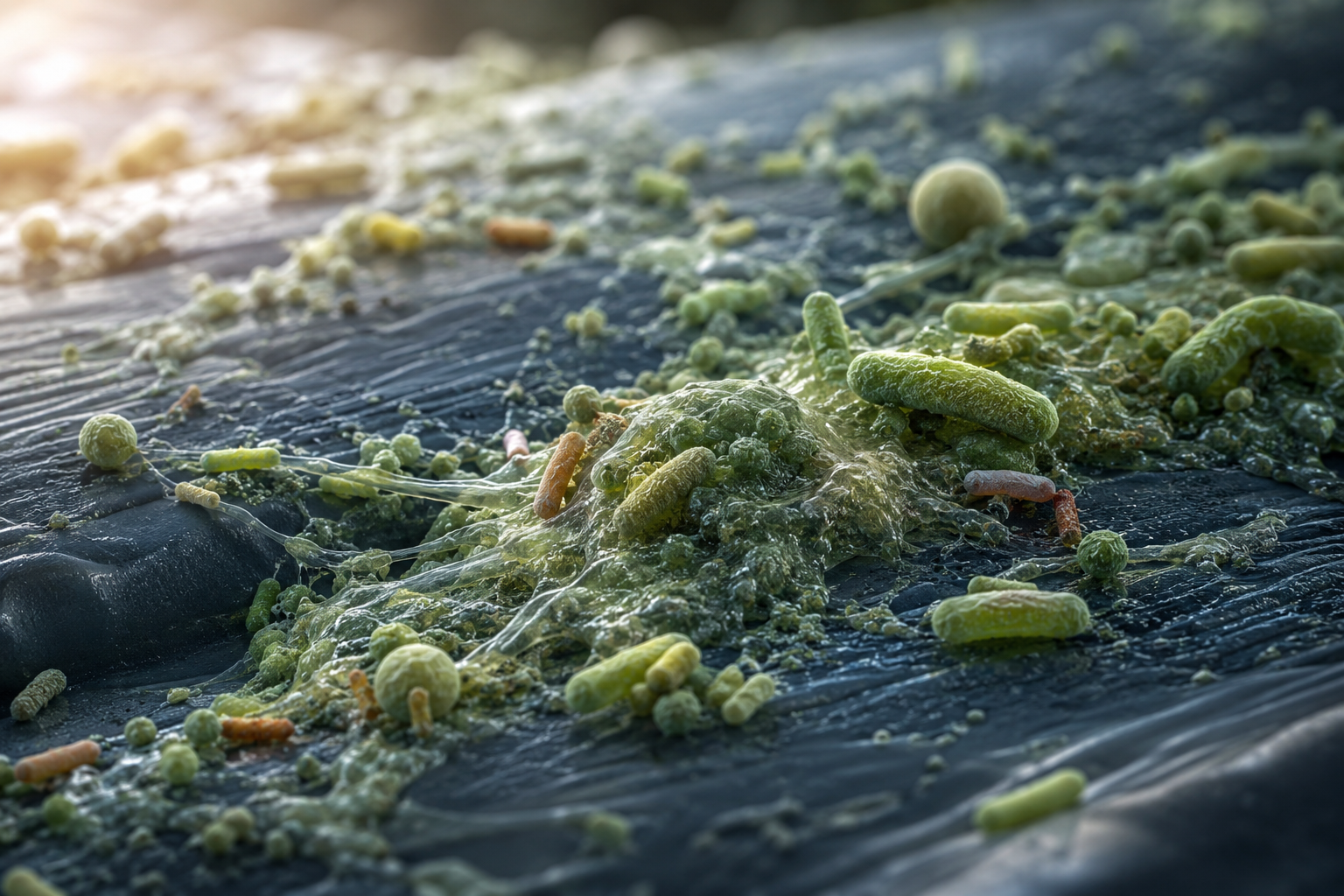
Why We Need to Rethink Material Durability in a Microbial World
When engineers and material scientists discuss durability, the conversation typically focuses on a familiar set of challenges. Mechanical wear, chemical exposure, ultraviolet radiation, temperature fluctuations, corrosion, and fatigue have long been recognised as the primary forces that determine how materials perform over time. These degradation mechanisms are well understood, supported by decades of research, and embedded within the testing standards that guide material selection across countless industries.
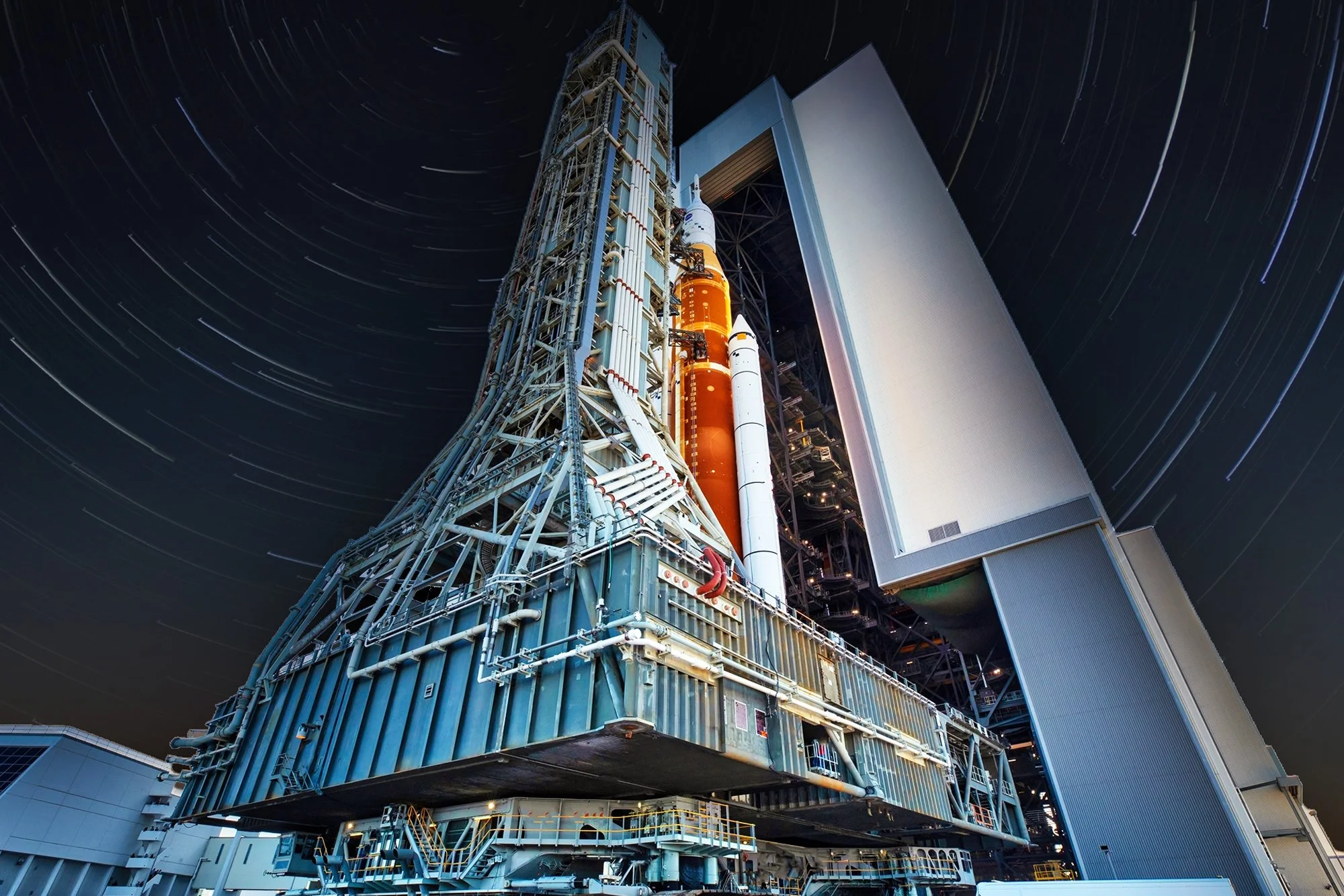
Microbial Control in Space Exploration
As humanity prepares to return to deep space through missions like Artemis II, much of the attention is understandably focused on the visible engineering achievements, next-generation propulsion systems, advanced navigation capabilities, and the complex architecture required to safely transport humans beyond Earth’s orbit.
These are the technologies that capture headlines. They represent the cutting edge of aerospace innovation and define the ambition of modern space exploration.
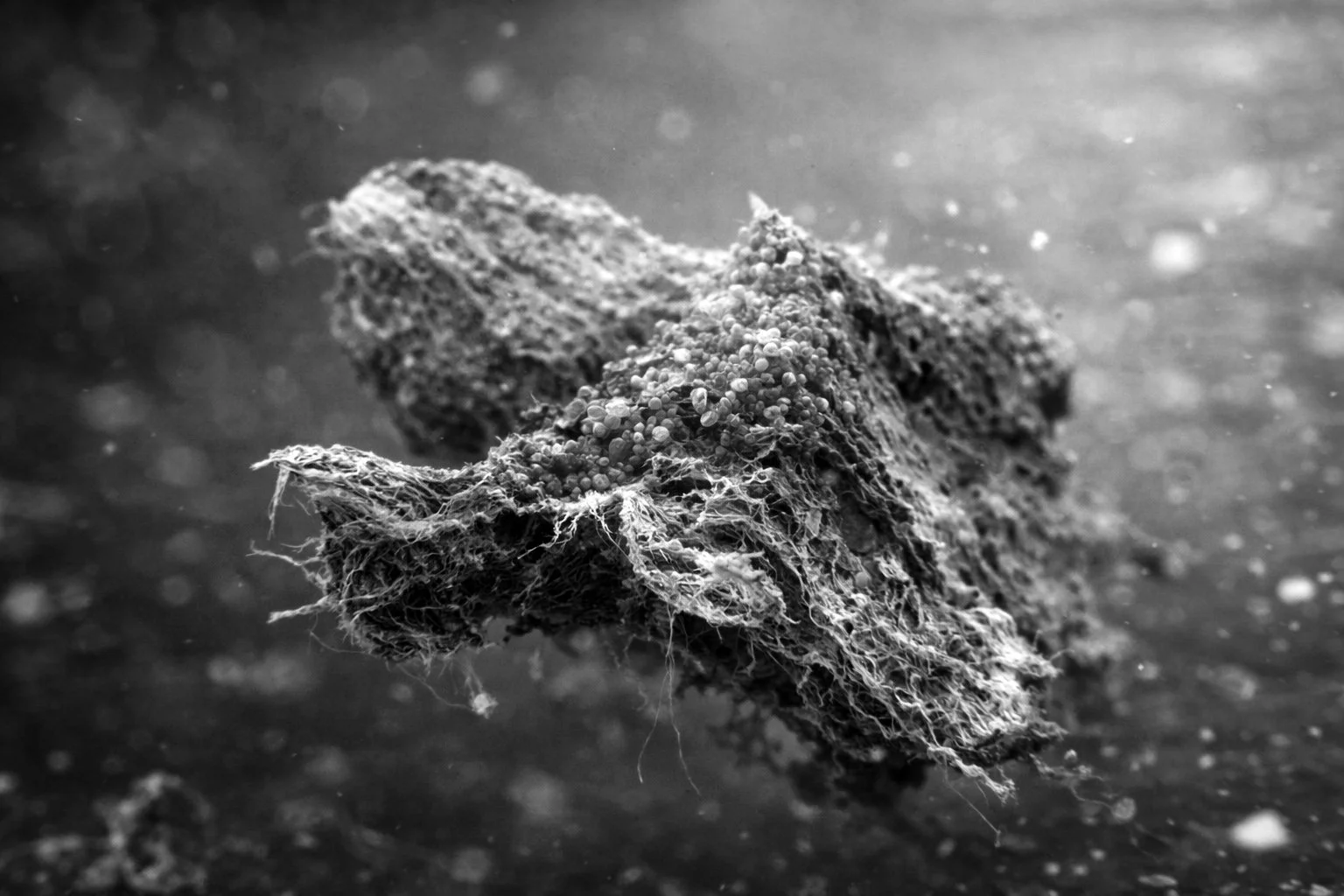
Microplastics, Microbes, and How Plastic Particles Become Living Ecosystems
Microplastics are often discussed in the context of environmental pollution, marine life, and human exposure. Less frequently examined is their biological dimension. Once plastic fragments enter aquatic or terrestrial environments, they do not remain chemically and biologically inert. Instead, they can become colonised by complex microbial communities.